About This Book
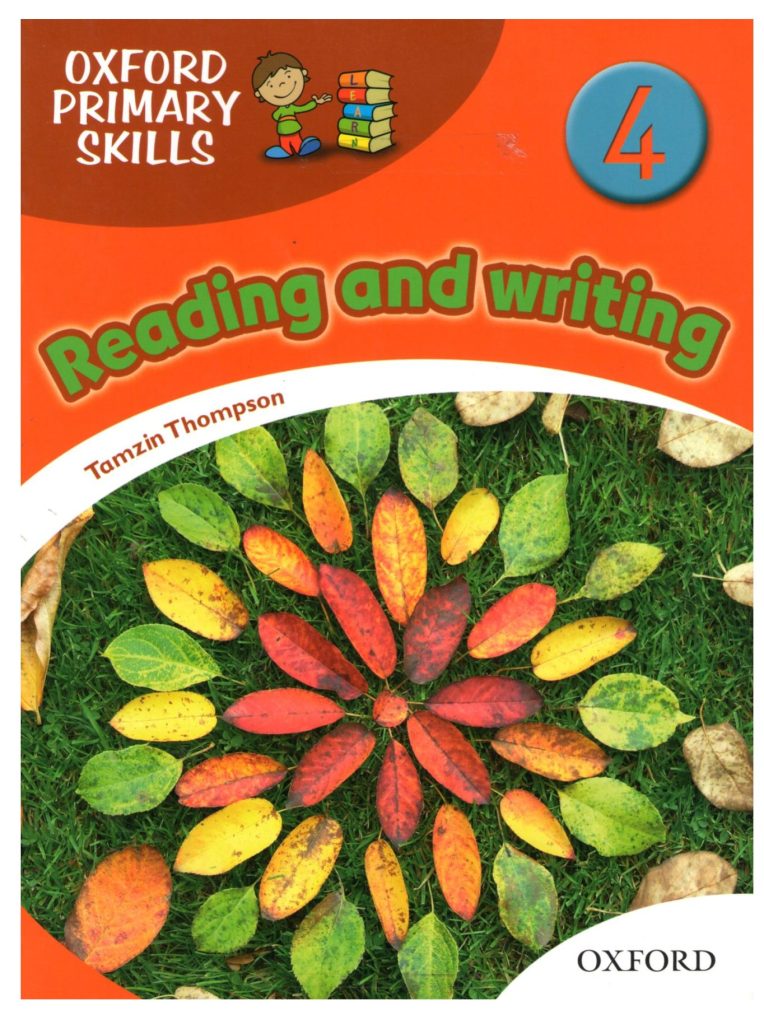
Oxford Primary Reading And Writing Student’s Book 4 is the fourth student’s book of the Oxford Primary Reading and Writing course. The destination page is headed with this post’s exact title, and the file it serves, ‘Oxford Primary Reading and Writing 4.pdf’, carries the same course and level under the shorter series filename — the same volume under the filename the site serves it by. The book’s work is the loop at maturity: sustained writing, interpretive reading, and revision taught as the writer’s real craft.
By a fourth year of the pairing, the questions change. Younger volumes ask whether the child can write; this one asks whether the child can re-write — and the difference is the whole of authorship. Revision requires a reader inside the writer: someone who can hold the draft at arm’s length, hear where it limps, and care enough to operate. The read-write loop builds exactly that inner reader, because years of reading like a writer have stocked it with standards. Meanwhile the reading side crosses its own threshold — from extracting what a text says to judging what it means and whether it earns it — and the two maturities meet in the middle: the child who interprets others’ texts justly revises their own mercifully but firmly. Teachers of upper primary describe Book Four classrooms by a sound: longer silences, of children actually thinking on paper. That silence is the loop’s final product in its primary years, and the secondary school’s inheritance.
What Learners Will Practise
Revision as Authorship
Learners practise returning to drafts with a reader’s eye and improving them deliberately. The second version, not the first, is where writing is actually learned.
Interpretation, Not Extraction
The book practises reading for meaning, motive, and merit — beyond what the text merely says. Interpretation is comprehension grown up, and it transfers to every subject.
Sustained Length
Readers practise holding a piece together across paragraphs — structure as stamina. Length exposes weak architecture kindly, while the writer can still repair it.
Key Features
The revision craft is the feature: the loop’s machinery turned on the child’s own drafts. The interpretive reading is the second — judgement alongside comprehension — and the shelf fit the third, the mature loop beside this list’s third volume and the first writing book. On this shelf it thinks on paper here.
Who This Book Is For
Upper-primary students ready for sustained pieces are its first audience. Teachers form its second readership, now coaching revision. Parents make its third, receiving letters and arguments unprompted.
How to Use This Book
Institute the second-version rule: no piece is finished at its first draft, ever. Read drafts aloud in pairs — the ear catches what the eye forgives. Keep a ‘best lines’ page where the child copies their own finest sentences; authorship needs a hall of fame of one.
Related Books
The third volume stands at Oxford Primary Reading And Writing Student’s Book 3, and the first writing book at My First Writing Student Book 1.